Mid-Century Modern vs Contemporary — Vintage Icon or Right Now?
Mid-century modern is frozen in its golden era. Contemporary absorbs everything around it. One is a destination; the other is a moving target.
What is Mid-Century Modern vs Contemporary: Retro Warmth vs Current Edge?
Mid-century modern is frozen in its golden era. Contemporary absorbs everything around it. One is a destination; the other is a moving target.
See the Transformation
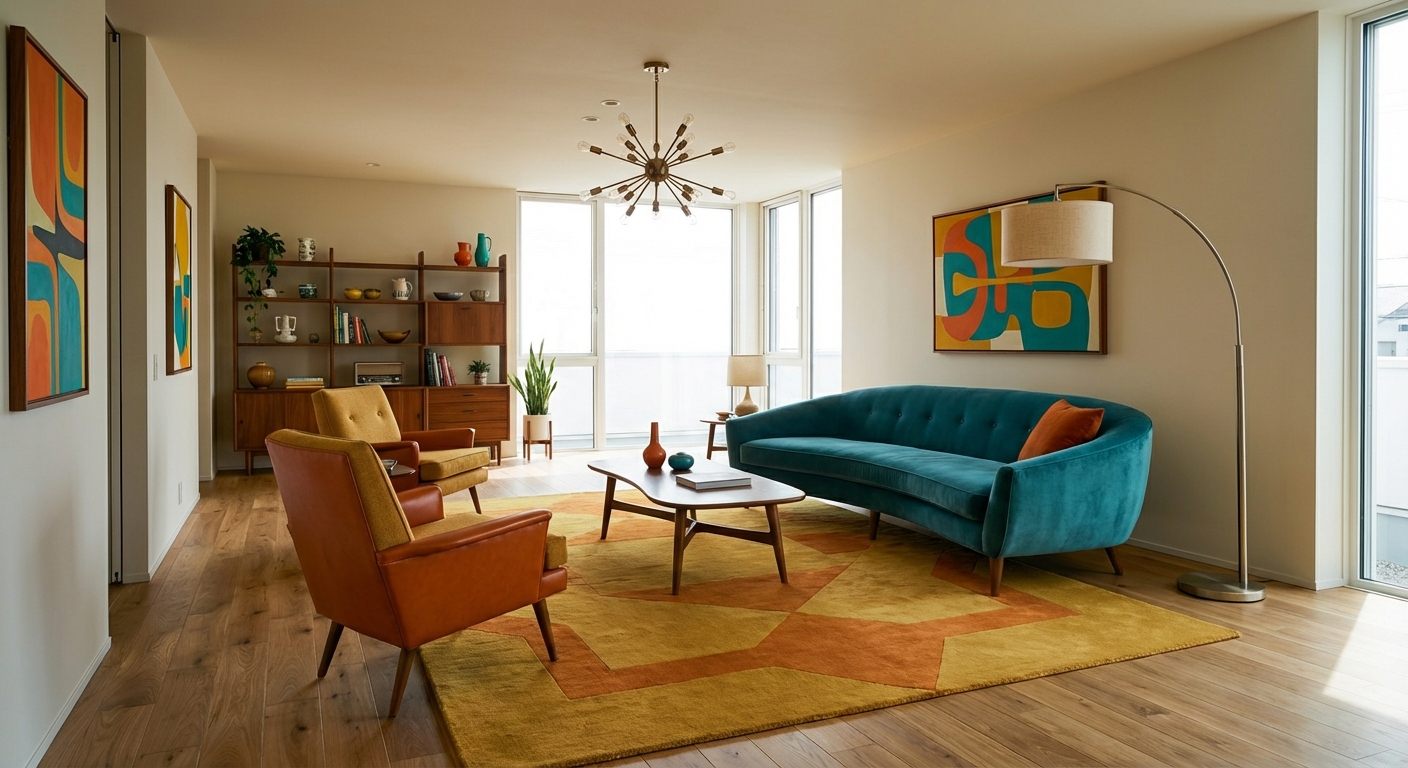
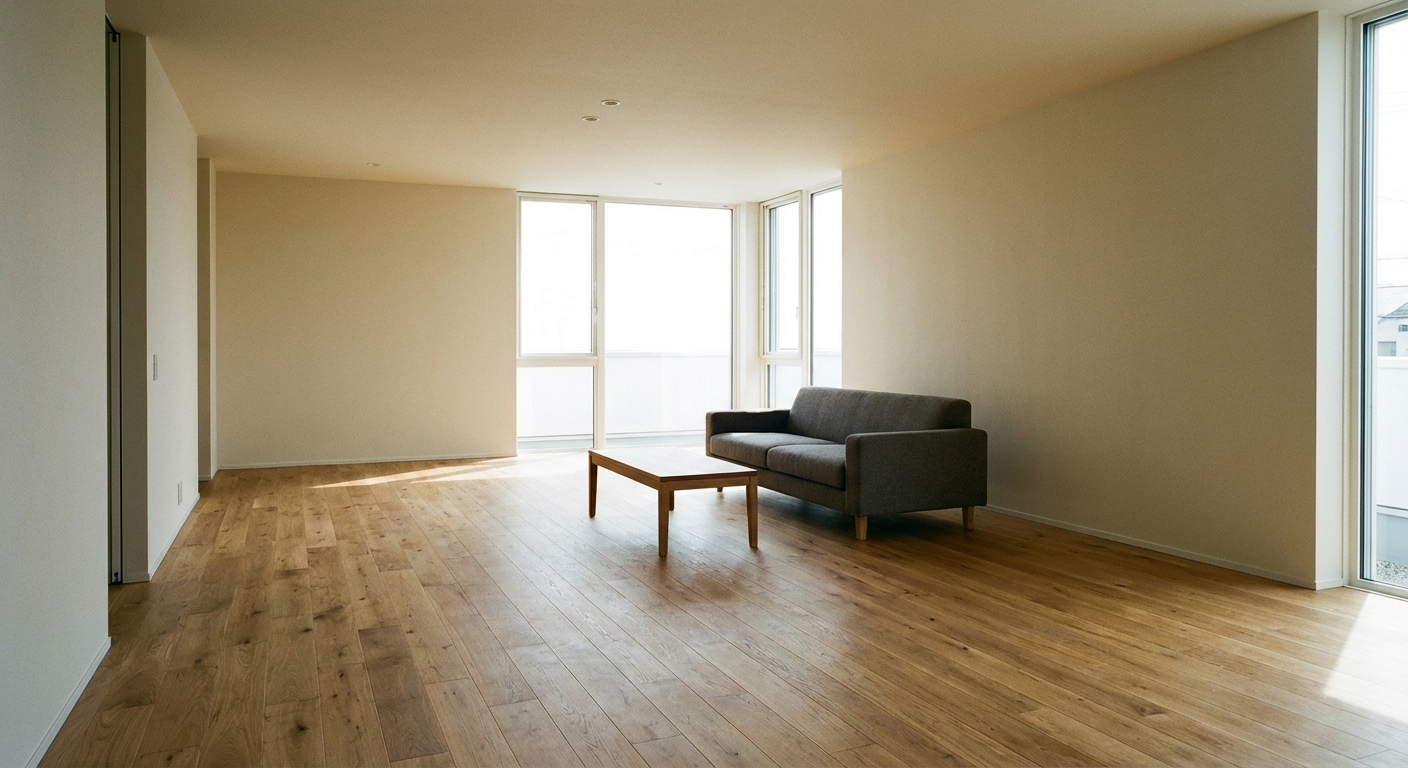
Upload your room photo in the app to see your real transformation
Why It Works
Mid-century modern has a fixed DNA: tapered legs, organic curves, warm walnut and teak, bold accent colors (mustard, teal, burnt orange), and an optimistic post-war spirit. You can point to an Eames chair and say "that is mid-century." Contemporary design has no fixed DNA — it is a snapshot of the current moment. In 2026, contemporary means curved organic furniture, warm earth palettes, sustainable materials, mixed textures, and a blend of global influences. Next decade, it will mean something different. Mid-century gives you certainty and nostalgia; contemporary gives you relevance and novelty. They overlap significantly because contemporary designers frequently reference mid-century principles, but the execution and material palette diverge.
Best for
- people who will edit objects, not only add them
- anyone planning a real living room where conversation distance, TV glare, and traffic past the sofa matter more than Pinterest perfection
- projects already thinking about walnut, lighting and needing a coherent layout
Skip if
- you will not address conversation distance and only want a filter look
- you need the room finished tomorrow with zero test fits
Common mistakes
People pin modern living room ideas and then keeping bulky traditional silhouettes and only changing throw pillows. Details like walnut, lighting only work if the plan respects conversation distance, TV glare, and traffic past the sofa. Another miss: pushing every seat against the walls and calling the empty middle “open”.
Decide this first
fix the primary seating pair and one clear path before decorative chairs. Lock few finishes, low profiles, quiet hardware as a short list, then use Intero on a real photo so scale and light are honest before you spend.
How to Achieve This Look
For mid-century: choose era-specific furniture — splayed legs, organic molded forms, and warm wood cases. Use the signature accent colors against a neutral base. Add period-appropriate lighting (Sputnik, bubble, arc lamps) and abstract art. For contemporary: look at current design publications and flagship furniture brands for direction. In 2026, that means rounded sofas in textured boucle, earth-tone palettes, mixed materials (stone, wood, metal in one piece), and sustainability-focused choices. Contemporary allows a wider range of influences — you can mix in Japandi, Mediterranean, and industrial elements in ways that pure mid-century would not permit.
Intero AI helps you compare a period-authentic mid-century room against a contemporary 2026 one. Upload a photo and see how walnut credenzas and mustard accents compare to boucle curves and earth-tone palettes in your actual space.
Frequently Asked Questions
Q1 Which is easier to find furniture for?
Contemporary is easier because virtually every current furniture retailer sells contemporary pieces. Mid-century requires either specialty vintage dealers, licensed reproduction manufacturers, or carefully curated searches. The supply chain for mid-century is narrower and often more expensive.
Q2 Do mid-century pieces work in a contemporary room?
Beautifully — mid-century furniture is one of the most mixable vintage styles because its clean lines and warm materials complement almost any current trend. A walnut credenza or an Eames lounge chair elevates any contemporary setting without looking out of place.
Q3 Which will age better over the next decade?
Mid-century has already proven its staying power over 70+ years, so it is the safer bet for longevity. Contemporary pieces may feel dated as trends evolve. The smartest strategy is a contemporary room with a few mid-century anchor pieces that provide timeless structure.
Related searches
These are the next pages people usually open while narrowing this design direction.
You Might Also Like
Design Guides You'll Love
Ready to See This Style in Your Room?
Download Intero and preview this design on your own room photo.
No credit card. No signup. Just results.
Scan to download
Point your phone camera at a code

